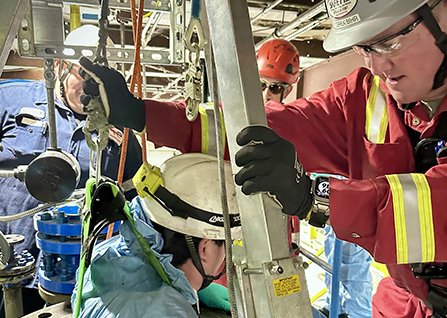
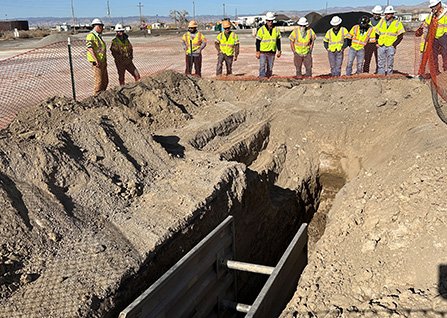
This comprehensive course covers the identification of permit-required confined spaces, recognition of associated hazards, and the proper procedures for safe entry. Topics include atmospheric monitoring, ventilation methods, and required entry equipment. A critical component is the instruction and practice of comprehensive emergency rescue techniques for both authorized entrants and attendants.
This comprehensive course covers the identification of permit-required confined spaces, recognition of associated hazards, and the proper procedures for safe entry. Topics include atmospheric monitoring, ventilation methods, and required entry equipment. A critical component is the instruction and practice of comprehensive emergency rescue techniques for both authorized entrants and attendants.
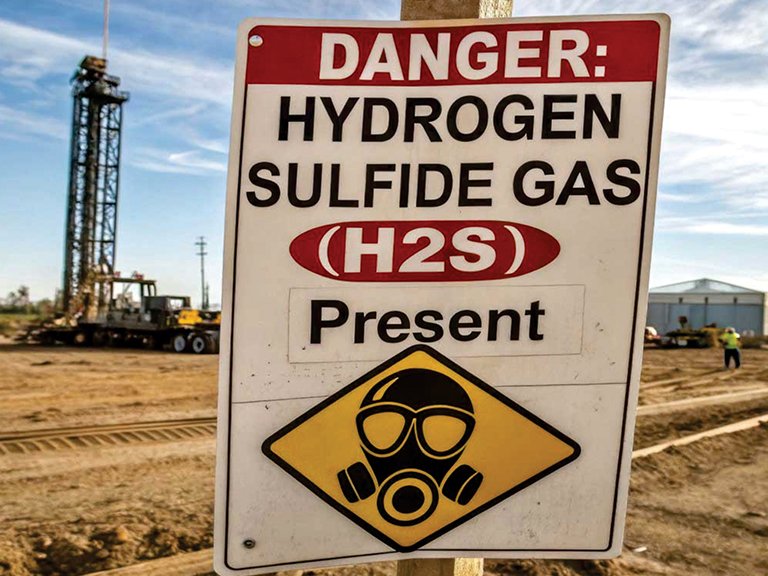
Serving the energy sector, this industry-standard training encompasses the core safety topics required for working in the oil and gas environment (PEC SafeLand). It is paired with specific, detailed instruction on the hazards, detection, and control measures for Hydrogen Sulfide (H2S) exposure (H2S Clear), preparing workers for demanding field conditions.
This training provides detailed instruction on the proper selection, use, inspection, and maintenance of various air-purifying and atmosphere-supplying respirators. The course fully meets all OSHA requirements and includes instruction on essential components, such as medical evaluations, cartridge change schedules, and proper fit testing protocols.
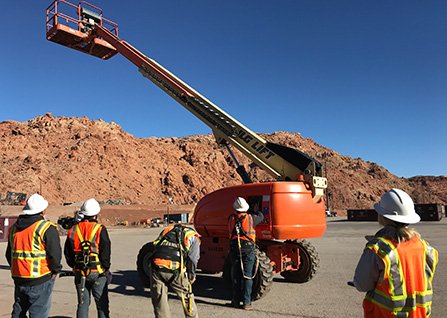
Our certification training ensures the safe and compliant operation of industrial powered trucks (forklifts) and various aerial work platforms (scissor and boom lifts). The curriculum covers mandatory topics, including pre-shift inspections, load capacity, vehicle stability dynamics, and safe load handling techniques.
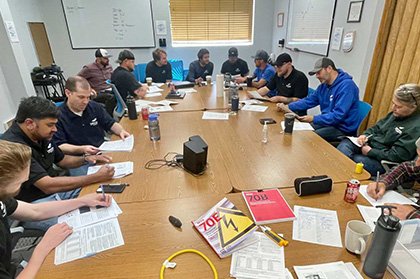
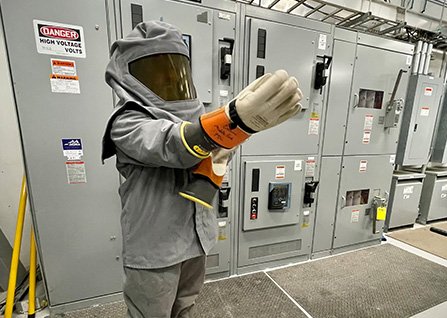
Based on the requirements of the NFPA 70E Standard for Electrical Safety in the Workplace, this course is designed to protect workers from the potentially fatal dangers of arc flash and electric shock hazards. Participants learn about establishing electrically safe work conditions, proper safe work practices, and the selection and use of appropriate arc-rated PPE.
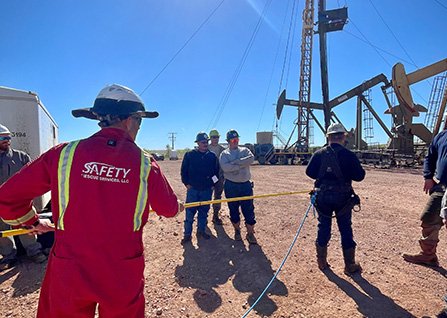
This is an advanced, hands-on training program designed for internal personnel who may be required to perform non-entry or entry rescue operations from elevated locations, such as towers or structures. It focuses on utilizing complex rope systems, rigging techniques, and specialized equipment for the safe and efficient retrieval of incapacitated victims.
Covers the safe practices for crane operation and critical load handling. The course includes essential elements such as daily pre-operational checks, universally accepted hand signaling, the principles of physics and geometry applied to load handling, proper sling and hardware selection, and calculating load weights to prevent failures.
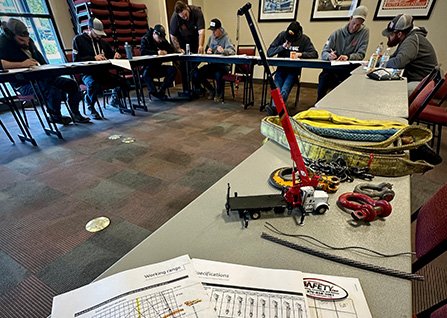
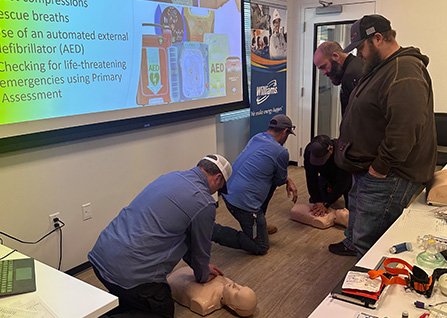
This is an essential certification course that equips employees with the ability to respond effectively to medical emergencies. It covers basic life support techniques, including hands-on training for cardiopulmonary resuscitation (CPR), the proper use of an automated external defibrillator (AED), and first aid protocols for common workplace injuries.
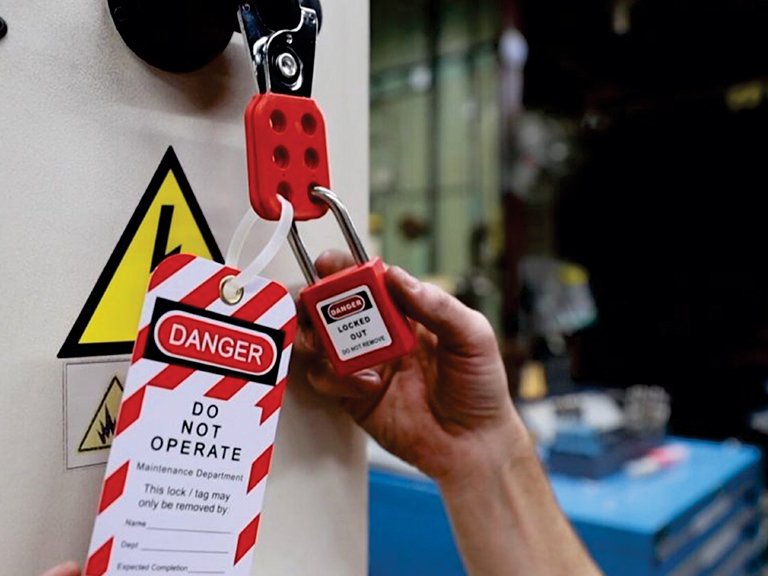
Training focused on safe work practices when interacting with electrical energy sources. A significant portion is dedicated to detailed instruction on Lockout/Tagout (LOTO) procedures for de-energizing machinery, ensuring stored energy is controlled, and preventing accidental startup during maintenance or repair activities.
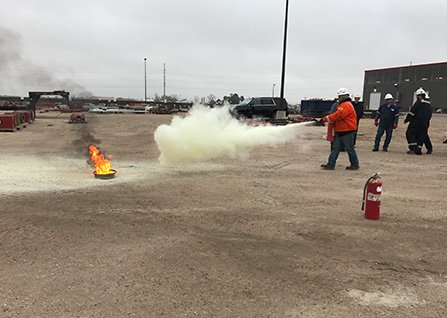
Instruction centered on promoting a proactive workplace fire safety culture. Topics include understanding the fundamental principles of the fire triangle, effective hazard control measures, safe storage of flammable materials, developing and executing emergency action plans, and selecting and using various types of fire extinguishers correctly.
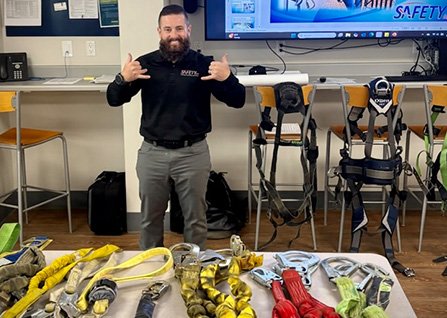
A comprehensive course on how to identify, evaluate, and control all types of fall hazards at height. It covers both regulatory requirements and practical use, including the proper selection, inspection, use, and limitations of personal fall arrest systems (PFAS), anchor point requirements, and passive control systems such as guardrails.
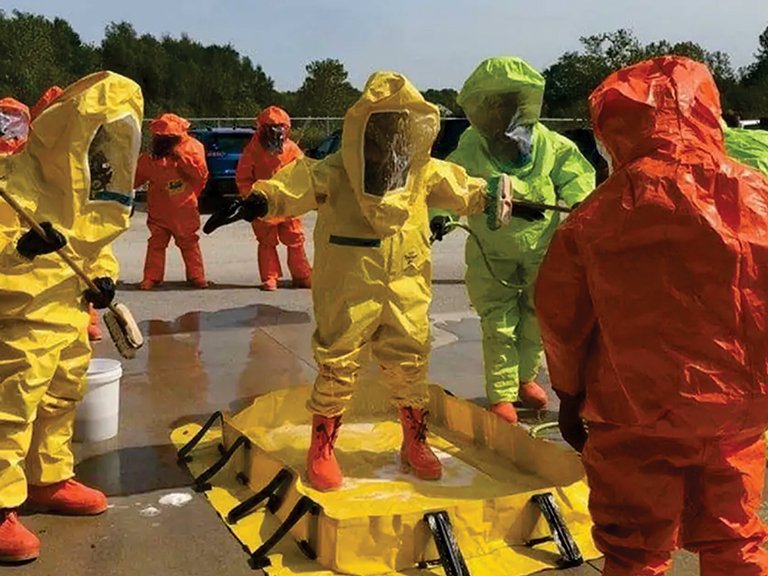
This is the required training for all workers involved in hazardous waste operations and emergency response. We offer all three critical certification levels: the intensive 40-hour initial training, the 24-hour training for limited exposure tasks, and the annual 8-hour refresher course, ensuring full compliance for specific job duties.
We deliver the official OSHA Outreach Training Program, offering both the introductory 10-Hour and the in-depth 30-Hour courses. These programs provide basic and advanced instruction, respectively, on recognizing, avoiding, abating, and preventing the most common safety and health hazards in the workplace (available for both General Industry and Construction standards).